
The Open Shelf Desk
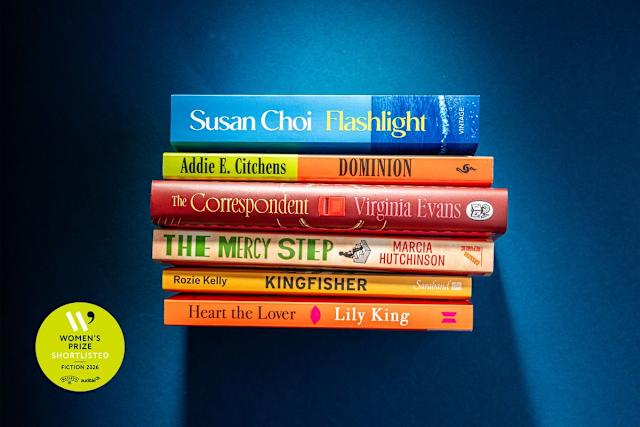
The 2026 shortlist for the prestigious Women’s Prize for Fiction has been announced, spotlighting a compelling mix of established literary voices and emerging talent. Among the six finalists are acclaimed American authors Susan Choi and Lily King, whose latest novels have earned widespread critical attention, alongside four debut novelists who bring fresh perspectives to contemporary fiction.
Choi is shortlisted for her sixth novel Flashlight, a sweeping historical family saga that spans continents and generations. The novel explores themes of identity, loss, and political history, following the disappearance of a father and its ripple effects across time and geography. Already recognized on last year’s Booker Prize shortlist, Flashlight further cements Choi’s reputation as one of the most ambitious literary voices of her generation.
Lily King joins the shortlist with Heart the Lover, another sixth novel that revisits a college love triangle from the 1980s as its characters confront their past in midlife. Known for her emotionally nuanced storytelling, King’s work captures the lingering complexities of first love and memory, blending wit with introspection.
What sets this year’s shortlist apart is the strong presence of debut authors. Four first-time novelists—Addie E. Citchens (Dominion), Virginia Evans (The Correspondent), Marcia Hutchinson (The Mercy Step), and Rozie Kelly (Kingfisher)—round out the list. Their works explore a wide range of themes, from community and faith in the American South to ageing, migration, and creative obsession.
The judging panel, chaired by former Australian prime minister Julia Gillard, highlighted how the shortlisted books collectively examine “the complexity and beauty of the female experience.” Despite their diverse settings and narrative styles, the six novels are united by their exploration of women’s roles, power, and emotional lives.
Another notable trend this year is the prominence of independent publishers. Four of the shortlisted titles come from indie presses, signaling a shift in the literary landscape where smaller publishers are increasingly championing bold and original storytelling.
The Women’s Prize for Fiction, established in 1996, was created to celebrate and amplify women’s voices in literature after the underrepresentation of female authors in major awards. Today, it remains one of the most influential literary prizes globally, recognizing excellence in English-language fiction written by women from any country.
The winner of the 2026 prize will be announced on June 11 at a ceremony in London, with the recipient receiving £30,000 along with a bronze statuette. As the literary world awaits the final decision, this year’s shortlist already reflects a vibrant and evolving fiction landscape—one that balances established mastery with bold new voices.
